What’s That Stripe Charge on Credit Card?


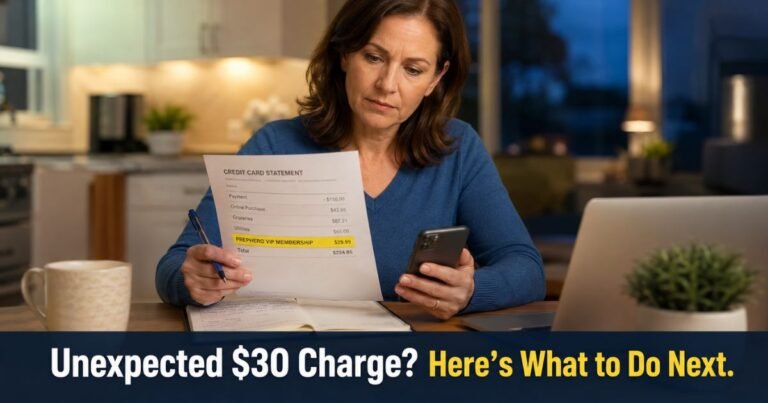
Have you ever glanced at your bank statement and spotted a mysterious STRIPE charge on credit card? It’s a common puzzle for many people, leaving them scratching their heads about where the money went. If that’s you, don’t worry, you’re not alone. We’ll dive into what these charges mean, why they show up, and how to handle them.
What Exactly Is Stripe?
Let’s start with the basics. Stripe is a popular online payment platform that helps businesses accept credit card payments over the internet.
Founded back in 2010, it’s grown into a giant in the fintech world, handling billions in transactions each year. Think of it like a behind-the-scenes helper that makes buying stuff online smooth and secure.
Businesses love Stripe because it’s easy to set up and integrates with websites, apps, and even subscription services. For customers, it means you can pay quickly without sharing your card details directly with every seller.
Instead, Stripe acts as the middleman, processing the payment and keeping things safe with encryption and fraud checks.
One key thing to note: When you make a purchase from a business using Stripe, the charge might not always show the business name on your statement.
It could just say “STRIPE” followed by some numbers or a partial description. This is where the mix-ups often happen.
Why Do Stripe Charges Appear on My Credit Card?
So, why does “STRIPE” pop up on your bill instead of the actual store’s name? It boils down to how payment processors work.
When a business signs up with Stripe, they can customize what’s called a “statement descriptor.” This is the text that appears on your credit card statement to remind you of the purchase.
Ideally, it should include the business name, like “STRIPE*YourFavoriteShop.” But sometimes, businesses forget to set this up properly, or it gets truncated due to character limits.
As a result, you might just see “STRIPE” and feel stumped.
These charges can come from various sources:
- Online shopping: That new gadget from an e-commerce site? If they use Stripe, it could show up this way.
- Subscriptions: Services like streaming apps, software tools, or meal kits often rely on Stripe for recurring payments.
- Donations or crowdfunding: Platforms for charities or creative projects might process through Stripe.
- In-app purchases: Games or apps on your phone could trigger these.
Even refunds can appear as Stripe entries, sometimes looking like a new charge if not labeled clearly. The point is, most of the time, these are legit transactions you’ve authorized, just not always easy to recognize at first glance.
How to Identify a Stripe Charge
Spotting a genuine Stripe charge versus something suspicious is crucial.
First, check the amount and date. Does it match a recent purchase? Jot down the transaction details from your statement, like the exact wording, amount, and any codes.
Next, log into your email or the business’s account portal. Search for receipts around that date. Many companies send confirmation emails with Stripe mentioned.
If it’s a subscription, review your active plans, maybe it’s an auto-renewal you forgot about.
If you’re still unsure, Stripe has a handy tool on their support site where you can enter the charge details to find the business behind it. Just head over there and input what you see on your statement. It often reveals the merchant’s name and contact info.
For extra peace of mind, compare it against your credit card app or online banking. Many banks let you view pending charges with more context. If nothing rings a bell, it might be time to dig deeper.
Common Reasons for Unrecognized Stripe Charges
Unfamiliar charges can stem from a few everyday scenarios.
Let’s list out some of the most frequent ones:
- Forgotten subscriptions: That free trial you signed up for last month? It might have converted to a paid plan without a reminder.
- Family or shared cards: Someone else in your household could have used the card for an online buy.
- One-time purchases: Small businesses or freelancers often use Stripe, and their descriptor might not be descriptive.
- Test charges: If you’ve recently added your card to a new service, they might authorize a small amount (like $1) to verify it, which gets refunded later.
- International transactions: Charges from abroad can look different due to currency conversion or extra fees.
In rarer cases, it could be a refund showing up oddly or even a merchant error. Understanding these helps you stay calm and methodical when reviewing your statements.
What to Do If You See an Unrecognized Stripe Charge
Don’t panic if a charge looks fishy, act smart. Start by contacting the business if you can identify them through Stripe’s lookup tool. They can confirm or reverse it quickly.
If you can’t find the merchant or suspect fraud, reach out to your credit card issuer right away. Most banks have 24/7 fraud lines. Report it as unauthorized, and they’ll investigate.
Under U.S. law, you’re protected from liability for fraudulent charges if reported promptly, often limited to $50 or even zero.
Stripe advises customers to file a dispute with their bank for suspected fraud, as they handle it through the card networks. Avoid charging back legitimate purchases, though, as it can lead to fees or account issues.
While waiting, monitor your account for more unusual activity and consider freezing your card temporarily. Change passwords on any linked accounts too.
Preventing Unauthorized Stripe Charges
Prevention is better than cure, right?
Here are some tips to keep your card safe from unwanted Stripe (or any) charges:
- Use virtual cards: Some banks offer one-time-use numbers for online shopping.
- Enable alerts: Set up notifications for every transaction over a certain amount.
- Review statements monthly: Make it a habit to scan for anomalies.
- Secure your devices: Use strong passwords and two-factor authentication everywhere.
- Be cautious with trials: Note end dates and cancel if needed before charges hit.
Businesses using Stripe can help by setting clear descriptors and using fraud tools like Radar, which flags risky transactions.
The Benefits of Using Stripe for Payments
On a brighter note, Stripe isn’t all about mystery charges, it’s a powerhouse for secure payments. For shoppers, it means faster checkouts with saved cards and support for wallets like Apple Pay.
Businesses get low fees (around 2.9% + $0.30 per transaction for online credit cards) and global reach.
It also fights fraud with AI-driven detection, reducing chargebacks that cost everyone money. In fact, Stripe processes payments in over 135 currencies, making international buys seamless.
If you’re a seller, integrating Stripe can boost conversions by offering multiple payment options without hefty setup costs. It’s why giants like Shopify and Zoom rely on it.
Comparing Stripe Fees to Common Alternatives
To give you a quick overview, here’s a small table showing basic online credit card fees for Stripe versus a couple of competitors:
| Provider | Domestic Fee | International Fee |
|---|---|---|
| Stripe | 2.9% + $0.30 | +1% extra |
| PayPal | 2.99% + $0.49 | +1.5% extra |
| Square | 2.9% + $0.30 | +1% extra |
These are standard rates; actual costs can vary with volume or add-ons. Stripe often edges out with its flexibility for developers.
FAQs On Stripe Charge on Credit Card
Q: What does a Stripe charge look like on my statement?
A: It typically appears as “STRIPE” followed by a descriptor, amount, and date. If the business didn’t customize it, it might just say “STRIPE” with numbers.
Q: How can I find out which business charged me via Stripe?
A: Use Stripe’s charge lookup tool on their support site. Enter the details from your statement, and it should reveal the merchant.
Q: Is it safe to dispute a Stripe charge?
A: Yes, if you believe it’s fraudulent. Contact your bank to file a dispute, they’ll handle the investigation and potential refund.
Conclusion
Dealing with a Stripe charge on credit card doesn’t have to be stressful. Most times, it’s just a regular purchase in disguise, but knowing how to investigate keeps you in control. Stay vigilant with your finances, and enjoy the convenience of modern payments without the worries.
Disclaimer: This blog is for informational purposes only and not financial advice. Always consult your bank or a professional for personalized guidance on transactions.